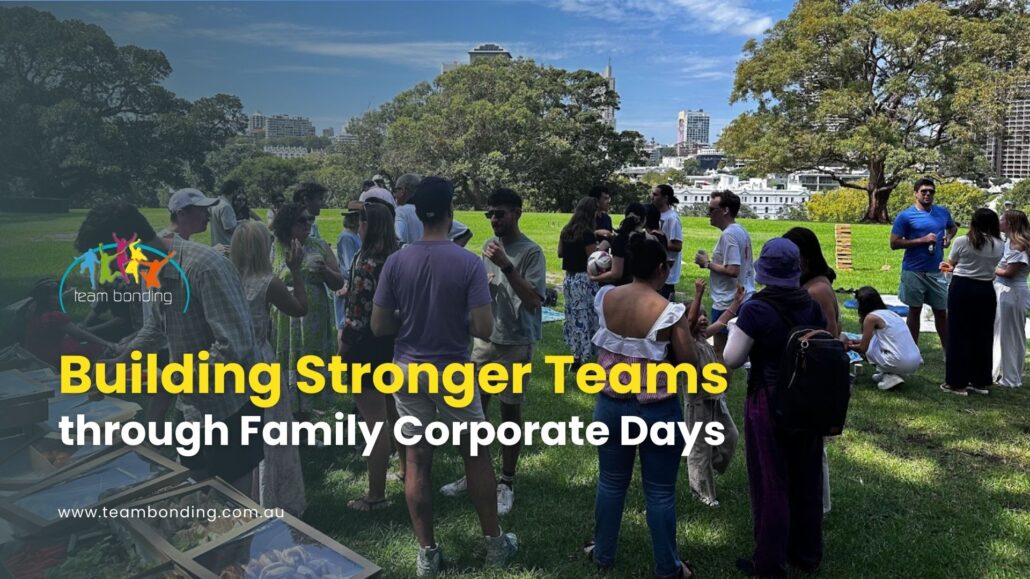
In uncertain economic times, businesses often focus heavily on budgets, efficiency and productivity. While those things are essential, one factor that is often underestimated during financial pressure is people connection.
Employees are not just workers they are parents, partners, friends and community members. When businesses recognise and celebrate that, they build stronger cultures.
Family corporate days are becoming increasingly valuable because they allow organisations to support employees not just professionally, but personally as well. In today’s economic climate, creating moments where colleagues can connect with friends and family can have a powerful impact on morale, loyalty and overall workplace wellbeing.
When the economy tightens, the effects ripple into everyday life. Employees may feel pressure from:
These pressures can slowly affect morale and engagement. When employees feel stretched between work and home responsibilities, their stress levels rise and their energy levels drop.
Family corporate days help bridge that gap by recognising that work and home life are connected not separate.
One of the most powerful outcomes of family corporate days is the way they humanise the workplace.
When colleagues meet each other’s partners, children or friends, relationships change. Teams move beyond job titles and departments and begin to connect on a more personal level. This helps create:
When people feel they belong to a workplace community, they are more likely to stay engaged and motivated, even during challenging economic periods.
Employees rarely succeed alone. Behind every person at work are families and friends who support them.
Family corporate days are an opportunity for organisations to acknowledge that support system. Inviting loved ones to be part of the workplace experience shows appreciation for the wider community that helps employees succeed.
This recognition can have a lasting impact on employee loyalty and satisfaction.
It also gives families a chance to understand where their loved ones work, who they work with and what they do each day strengthening the connection between personal and professional life.
During tighter financial periods, large rewards or salary increases may not always be possible. However, meaningful experiences can still create positive workplace energy. Family corporate days provide a way to:
These events do not need to be extravagant to be impactful. Outdoor activities, games, food and shared experiences can create lasting memories that employees associate with their workplace. Positive moments like these help balance the pressures that employees may be feeling both inside and outside of work.
Workplace wellbeing is no longer just about reducing stress at work it is about supporting the whole person.
Family corporate days encourage employees to:
These experiences contribute to mental wellbeing, which directly influences productivity, engagement and job satisfaction.
In times when many people feel the weight of economic uncertainty, these moments of connection and celebration can be incredibly valuable.
Businesses that prioritise community tend to build stronger long-term cultures. When organisations invest in experiences that bring people together including families and friends they demonstrate that they value relationships, not just results.
This kind of culture creates workplaces where people feel supported, appreciated and proud to belong. And when employees feel that sense of pride and connection, they bring more energy, commitment and collaboration into their work every day.
A family corporate day is an event where employees are invited to bring their family members or friends to enjoy activities, entertainment, food and social experiences together with colleagues.
During uncertain economic periods, employees may feel increased pressure both at work and at home. Family corporate days provide a positive opportunity for connection, relaxation and appreciation, helping boost morale and strengthen workplace culture.
Yes. When employees feel their workplace values them as people not just employees engagement often increases. These events help build stronger relationships and create a sense of community within the organisation.
They can be scaled to suit different budgets. Many successful family corporate days focus on simple activities, outdoor games, food and shared experiences rather than expensive entertainment.
Popular activities often include team challenges, outdoor games, scavenger hunts, inflatable obstacle courses, creative workshops, sports activities and family-friendly competitions.
Many organisations run them annually as a celebration or appreciation event. However, the frequency can vary depending on company size, goals and available resources.